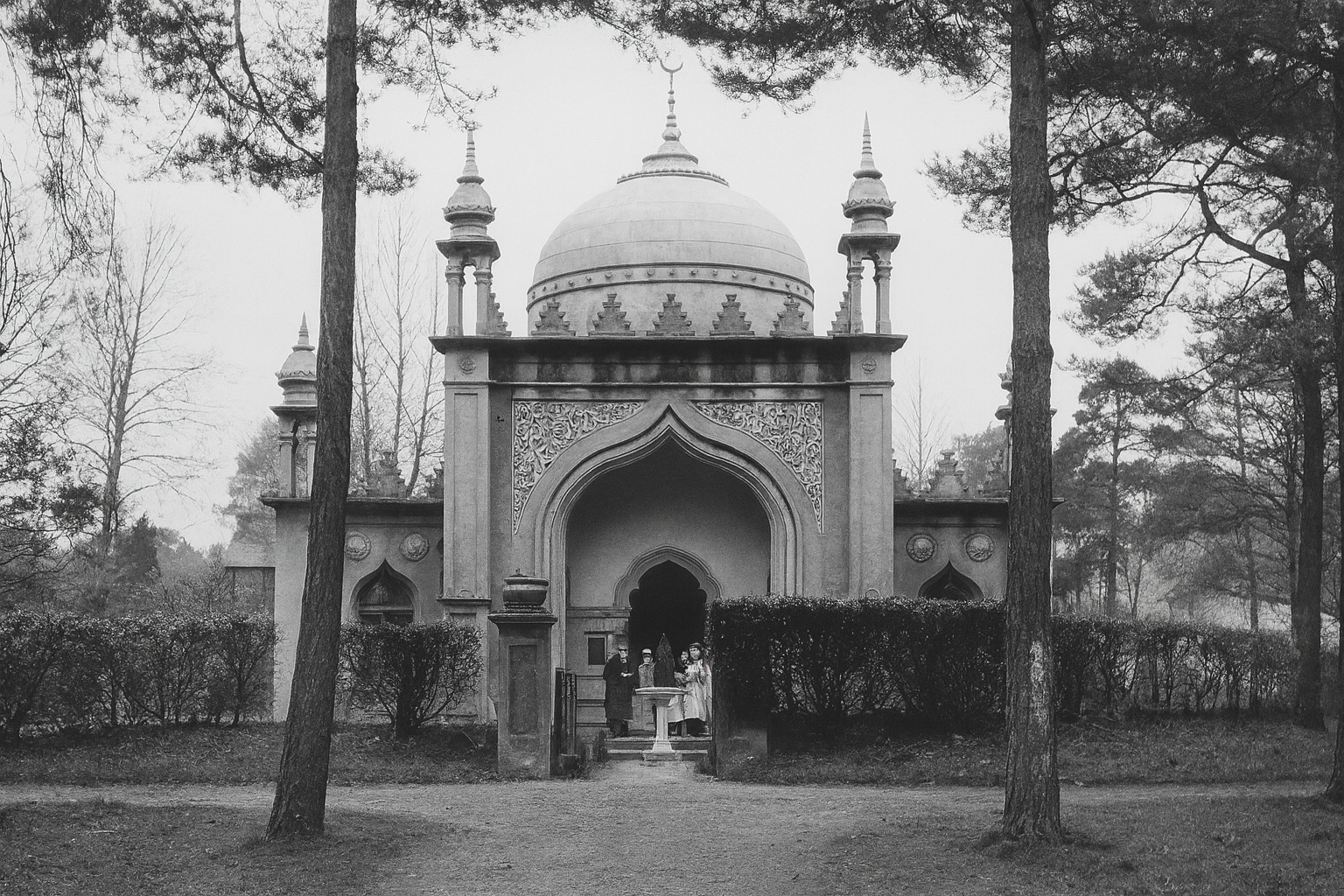
Britain’s first purpose-built mosque, shaped by a history of faith, learning, and connection across cultures.
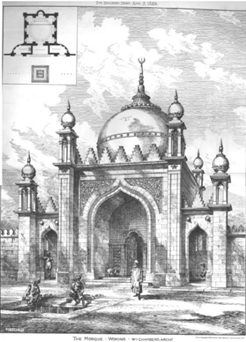
The story of Shah Jahan Mosque begins with the vision of Gottlieb Wilhelm Leitner - a linguist, scholar, and bridge between cultures.
Leitner was born in Hungary in 1840 to a Jewish family. After the Crimean War, he came to England with the intention of becoming a priest and began his studies at King’s College London.
His path soon broadened. He became a distinguished academic with a deep interest in languages, cultures, and Islamic scholarship. His career took him to India, where he worked to advance education across communities.
Returning to England in the early 1880s, Leitner set out to create an Oriental Institute in Woking-a place where East and West could meet through learning and exchange.
With the support of Her Highness Shah Jahan Begum of Bhopal-a devout Muslim ruler, scholar and benefactor-the mosque was built in 1889, becoming the first purpose-built mosque in Britain.
More than a building, it reflected a powerful idea: that Islam had a place in Britain, and that people of different cultures and traditions could learn from one another.
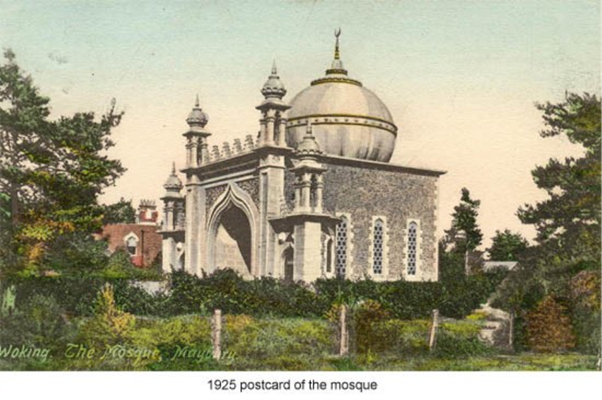
After Leitner’s death, the mosque fell into disuse - until 1912, when Khwaja Kamal-ud-Din arrived and led its restoration.
He re-established daily prayers and founded the Woking Muslim Mission, transforming the mosque into a centre of worship, learning, and public engagement.
Public lectures introduced Islam to wider British audiences. The journal The Islamic Review reached readers across Britain and beyond. Visitors from different backgrounds, including English converts, found a place to learn and belong.
Figures such as Lord Headley, an Irish aristocrat, and Muhammad Marmaduke Pickthall, who produced one of the first widely read English translations of the Qur’an, became leading voices of Islam in Britain.
This period established Woking as a centre known for openness, dialogue, and thoughtful engagement with wider society.
During the First World War, the mosque and its community also supported Muslim soldiers serving in the British Army, helping meet their religious needs at a time of uncertainty. This strengthened its place within British society.
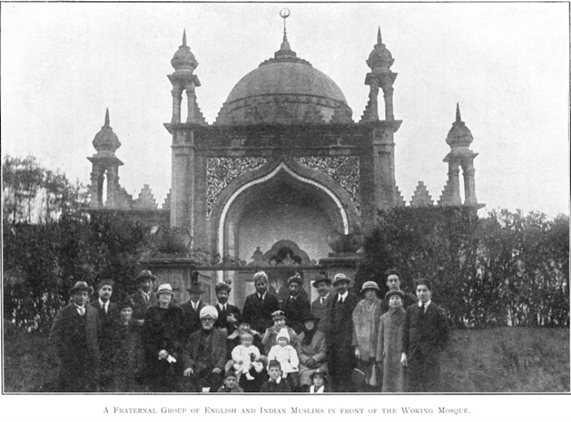
In the early 20th century, the Woking Muslim Mission helped shape a distinctly British expression of Islam.
Based at the mosque, it brought together people from a wide range of backgrounds - Muslims from India and beyond, alongside British converts and visitors from different faiths and cultures.
The mosque welcomed guests from many faith communities, hosting gatherings and events that encouraged understanding and dialogue.
Through learning, discussion, and shared experience, the mosque became a place where cultures met and influenced one another.
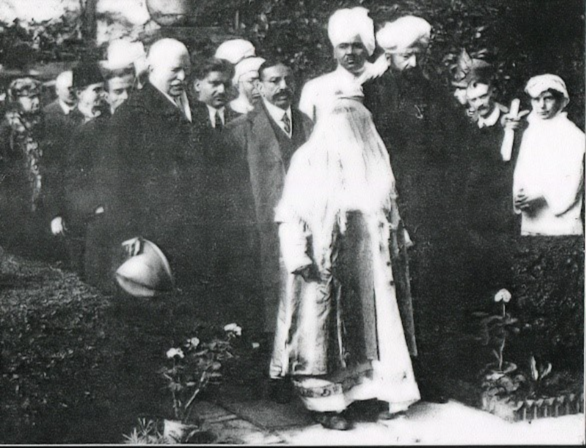
In 1925, Sultan Jahan Begum of Bhopal-a Muslim ruler and daughter of benefactor Shah Jahan Begum, visited the mosque.
Her visit brought together a remarkable group of people, including Lord Headley, Khwaja Kamal-ud-Din, and Abdullah Quilliam- figures who helped shape Muslim life in Britain at the time.
The visit reflected strong links between Britain and the wider Muslim world, and the role of the mosque as a meeting point for people, ideas, and cultures.
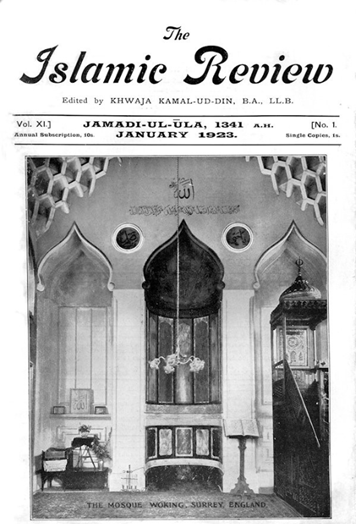
By the 1920s, the mosque had become a national focal point for Muslim life in Britain.
At a time when the Muslim population in the UK was small, the mosque played an important role in shaping how Islam was understood - welcoming visitors from across Britain and beyond, hosting dialogue and public discussion, and offering a space where people of different backgrounds could meet.
People embraced Islam from all walks of life. Amongst the converts were Lord Stanley of Alderlay and Charles William Buchanan Hamilton, Deputy Surgeon General in the British Army and nephew to a former President of the United States.
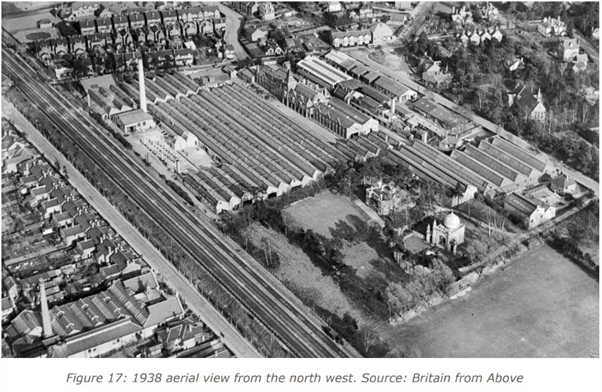
After the Second World War, Britain’s Muslim population grew through migration from across the Commonwealth, and new mosques were established nationwide.
Shah Jahan Mosque’s role gradually shifted from a national centre to serving a growing and diverse local community.
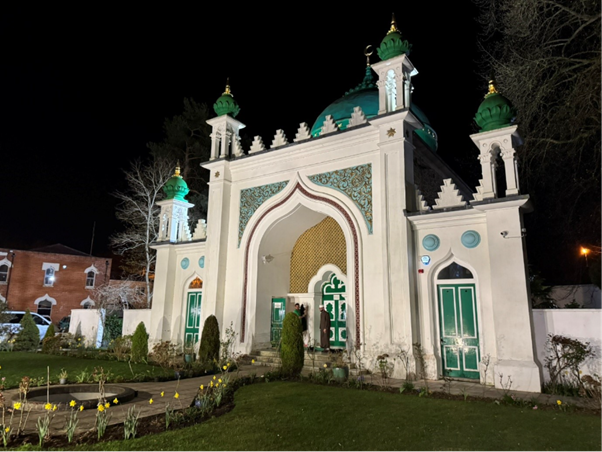
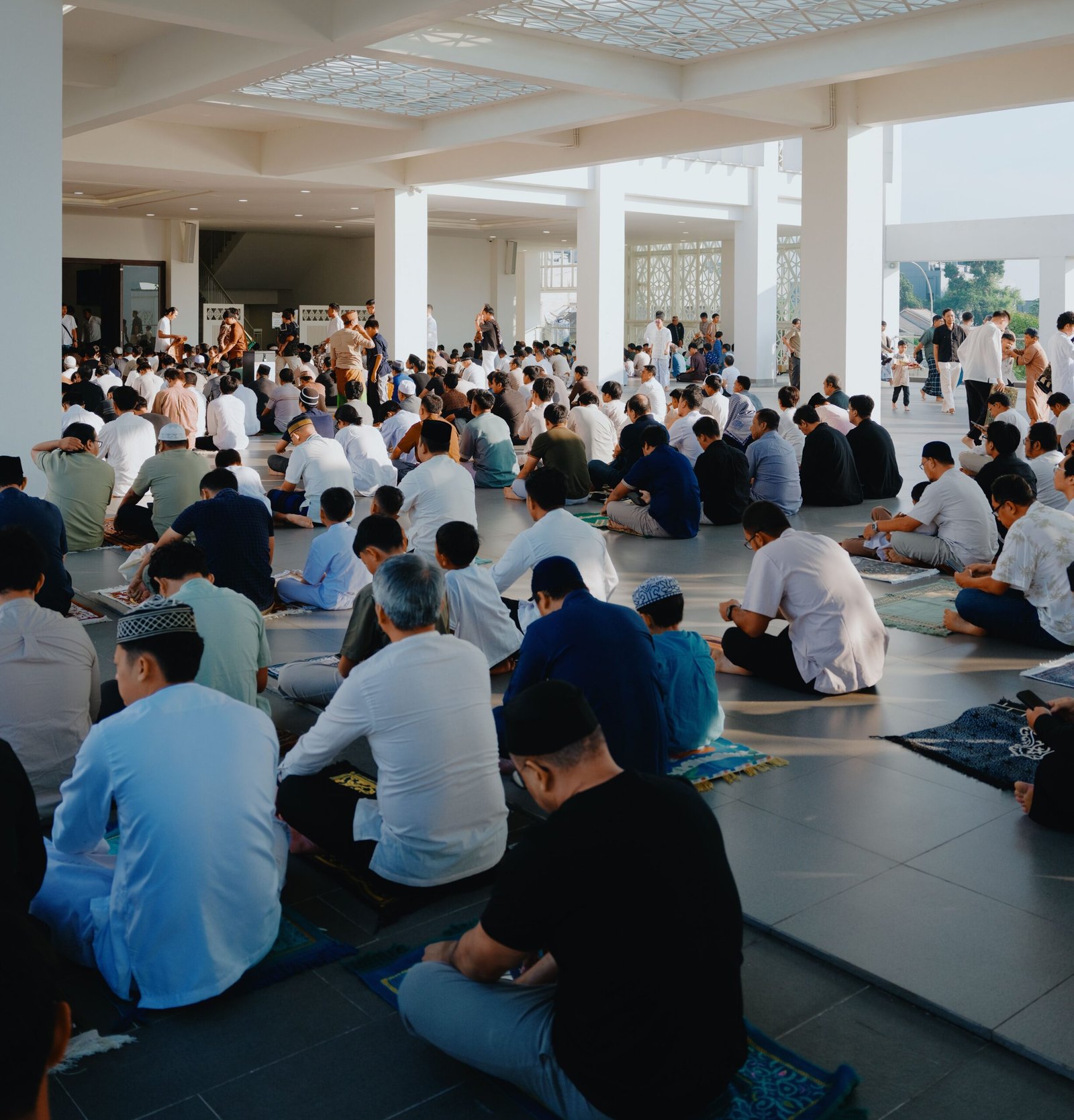
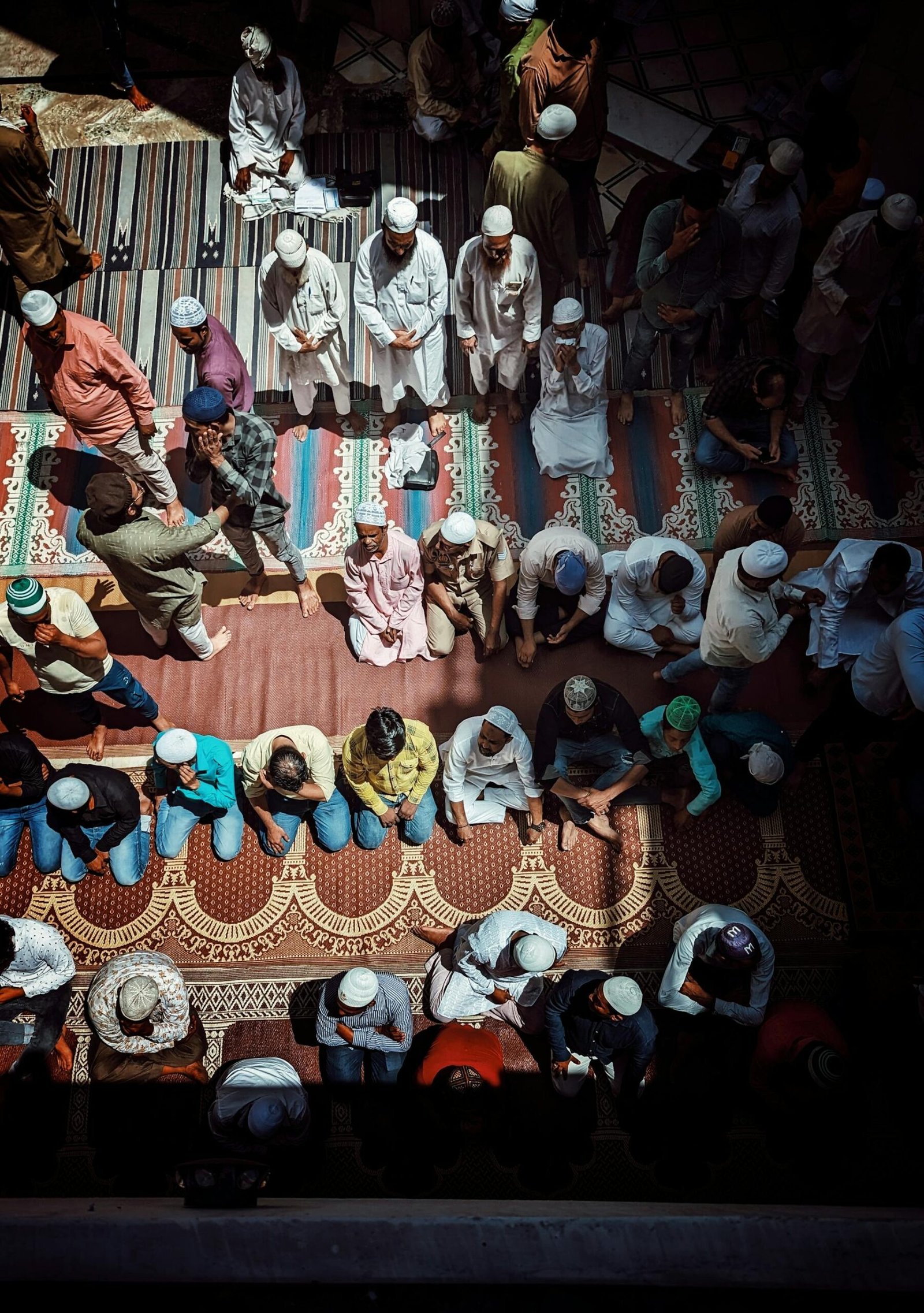
Today, Shah Jahan Mosque continues its original purpose: a place of worship and spiritual growth, a centre for education and community life, and a space for welcome, dialogue, and understanding.
Nearby, the Muslim Burial Ground is associated with the burial of Muslim soldiers of the British Indian Army during the World Wars. In 2015, the site was landscaped to create a Peace Memorial Garden, dedicated to all the Muslim soldiers of the British Indian Army who died in the First and Second World Wars.
Visitors can explore the wider story through the Muslim Heritage Trail in Woking - a self-guided route linking the mosque with nearby historic sites, including the Muslim Burial Ground and Brookwood Cemetery.
When Khwaja Kamal-ud-Din first entered the mosque in 1912, he is said to have read:
“The first house appointed for humanity was at Bakkah blessed and a guidance for all peoples.” (Qur’an 3:96)
Moved, he prayed to God:
“Just as You made Mecca the holiest place in the East, make this mosque the Mecca of the West.”
That spirit of openness, connection, and shared understanding continues to guide the mosque today.